




I Thought I Was Healthy. I Was Functioning. That’s Not the Same Thing.
I didn’t think of myself as sick. I thought of myself as capable. I was working. Raising a family. Managing responsibilities. Doing what women who carry a lot do every day.
But functioning is not thriving.
And thriving has always been the standard in our home.
Long before my MS reversal journey began, this belief shaped how we lived, how we worked, and how we raised our children. We don’t ask, “What’s the least we can do to get by?” We ask, “What does excellence require here?”
Health was no different. I just didn’t realize how much I had normalized until my body stopped compensating.
The Diagnosis Didn’t Change My Standards. It Exposed Them.
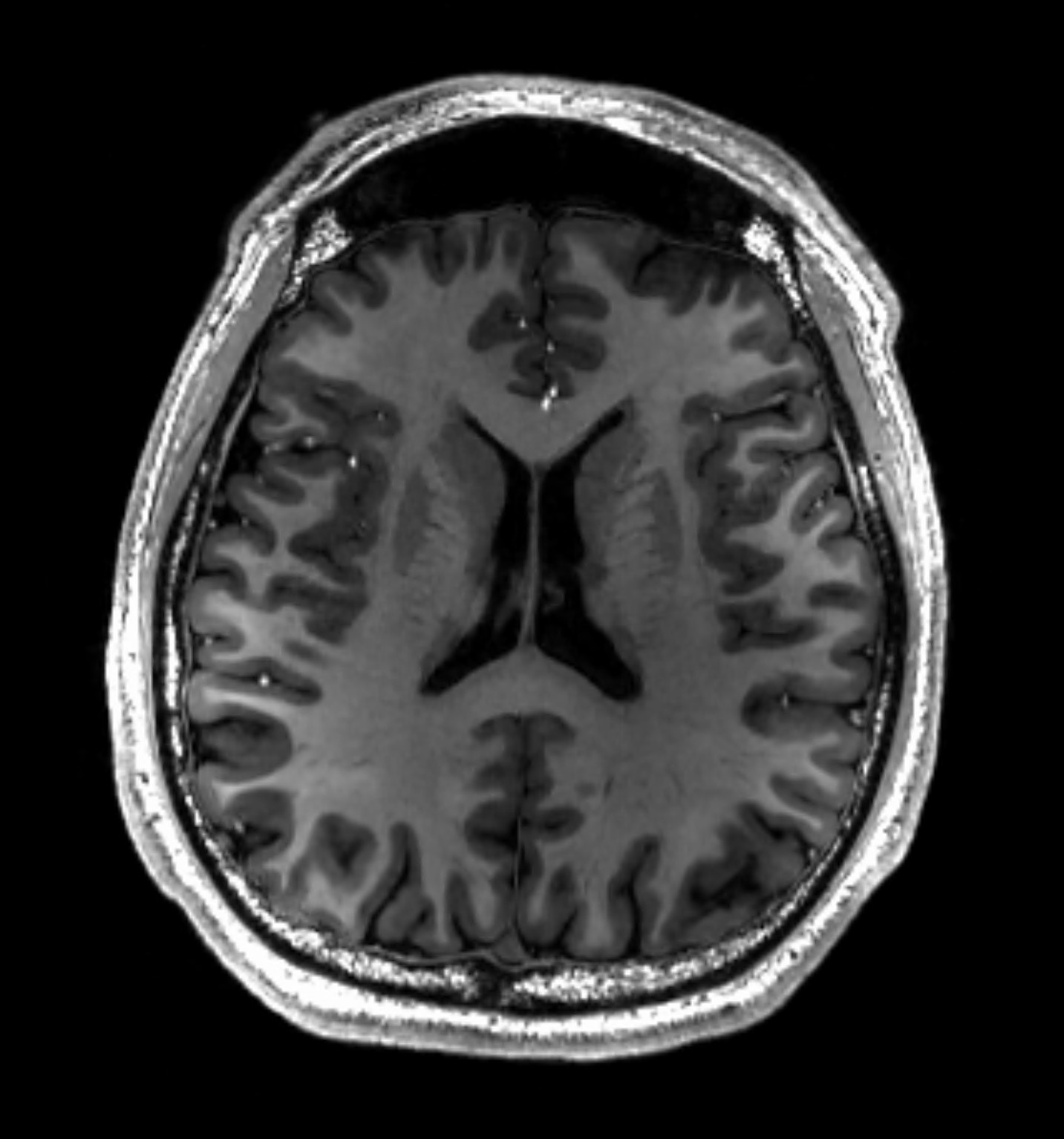

When I was diagnosed with Multiple Sclerosis, the plan offered to me was familiar. Medication. Monitoring. Management. Adjust expectations.
Diet and lifestyle were treated as side notes.
I understood the standard of care. I had practiced inside it. But I also understood something deeper.
A system designed to manage decline is not the same as a system designed to restore function.
If my goal were to simply cope, I would have followed the script. But that has never been how I approach anything that matters.
Not my work.
Not my family.
Not my health.
Why I Explicitly Refused Medication and Supplements
When I sought help, I was clear from the beginning.
I did not want to be placed on medication.
I did not want to replace pharmaceuticals with a long list of supplements.
Not because those tools never have a role. But because swapping one external dependency for another does not correct the problem. It maintains it.
I wanted to rebuild what was failing.
The response I received was revealing.
I was told I was an unusual patient. Not because of my diagnosis, but because most people come in asking a very different question.
“What is the least amount of work I need to do to feel a little better?”
They want the easiest path. The smallest effort. Expectations are intentionally set low.
That mindset has never made sense to me.
If I wanted to settle, I would have followed the standard of care and accepted the ceiling it came with.
This Is How We’ve Always Done Life
This approach didn’t start with my diagnosis. It’s how we raised our family.
We didn’t teach our kids to look for shortcuts. We taught them to take responsibility for their inputs, their choices, and their effort.
We didn’t aim for survival. We aimed for capability.
We taught them that life works better when you understand how things function. That effort compounds. That excellence is not accidental. That stewardship matters.
Health was modeled the same way.
Food mattered.
Sleep mattered.
Work ethic mattered.
Ownership mattered.
Why would I abandon those principles when my own body was asking for deeper care?
What I Lost Before Anyone Took Me Seriously
Before MS was ever named, I lost function.
Strength changed. Coordination shifted. Fatigue became something rest couldn’t fix. Neurological symptoms appeared quietly.
And many of those losses were explained away.
Childbirth.
Hormones.
Age.
Stress.
Environment.
“Normal for women.”
But normal doesn’t mean optimal.
And loss is still loss, even when it’s common.
The body doesn’t suddenly fail. It compensates until it can’t.
Why Labs Couldn’t Keep Up With What Was Happening


I had extensive lab work done. Thorough. Expensive. Comprehensive.
And by the time we reviewed the results nearly two months later, my body had already changed.
Symptoms had shifted.
Energy had returned.
Function was improving.
Labs are a snapshot. Healing is dynamic.
This is why I don’t rely heavily on labs as the primary driver of healing. Not because they lack value, but because they lag behind biology.
When foundations change, the body can respond faster than testing cycles reflect.
When people anchor healing to labs alone, they often end up chasing numbers instead of restoring systems. And the bigger picture never fully comes back online.
What I Did Instead: Rebuilding the Foundations
Within three months of changing my diet and lifestyle, function returned.
Not through medication.
Nor through supplements or shortcuts.
But through fundamentals.
Real, nutrient-dense food that reduced inflammation and restored cellular communication.
Nervous system regulation that moved my body out of survival mode.
Light, sleep, rhythm, and stress addressed as biological inputs.
Removing what my body could no longer tolerate.
Not managing symptoms. Rebuilding terrain.
The same way you don’t fix a house by painting over structural damage.
If you want a deeper look at how food specifically played a role in restoring neurological function, I break that down in my blog on using food to heal damage from MS.
What Quietly Corrected Along the Way
As the system stabilized, other things resolved without being directly targeted.
Seasonal allergies blamed on geography.
Vision improving, including no longer needing sunglasses.
No longer burning in the sun without using sunscreen products.
Skin normalizing without elaborate routines.
No need for body or haircare products once considered essential.
Pelvic and core symptoms blamed on childbirth and age.
These weren’t coincidences.
They were signals that the system was no longer compensating.
Standards Shape Outcomes. In Health and in Life.
We taught our children that you don’t aim for “good enough” if you want something to last.
You don’t build a life, a body, or a legacy on shortcuts.
Chasing ease keeps people stuck.
Chasing symptoms keeps people busy.
Chasing labs keeps people distracted.
Healing requires standards.
If you want to be the 7 percent, you have to be willing to expect more. To do more. To rebuild from the foundation up.
That’s how we raised our family.
That’s how I healed.
And that’s how I guide others.
If you are done settling and ready to rebuild health the same way you build a meaningful life, click here to Book Your Deep Dive Call with Karyn.
This is how we collapse time on healing.
Frequently Asked Questions
Can MS symptoms improve without medication or supplements?
Some people experience significant improvement by addressing root causes first. Healing focuses on creating conditions where the body can stabilize and restore function rather than relying solely on replacement strategies.
Why don’t labs always reflect progress?
Labs are snapshots in time. When foundational inputs change, the body can adapt faster than testing cycles capture. Labs should inform decisions, not override lived physiology.
How long did it take to regain function?
In my case, noticeable improvements occurred within three months. Timelines vary, but foundational work often produces earlier changes than expected.
Is this approach anti-medicine?
No. This is an expansion of medicine. Medication has a role. It cannot replace food, nervous system regulation, and environment.
Conclusion: This Is Legacy Work



Here’s what this journey clarified.
Healing didn’t happen because I found something extraordinary. It happened because I refused to abandon the standards that shaped every other area of my life.
I don’t settle in my work.
I don’t settle in raising my family.
And I don’t settle in my health.
If you’ve been told that what you’re experiencing is normal, inevitable, or something you should accept, I want you to hear this clearly.
Standards matter.
Foundations matter.
And healing is possible when the terrain changes.
Ready to stop settling and start rebuilding? Book your Deep Dive Call.
You don’t need another workaround. You need a framework.