


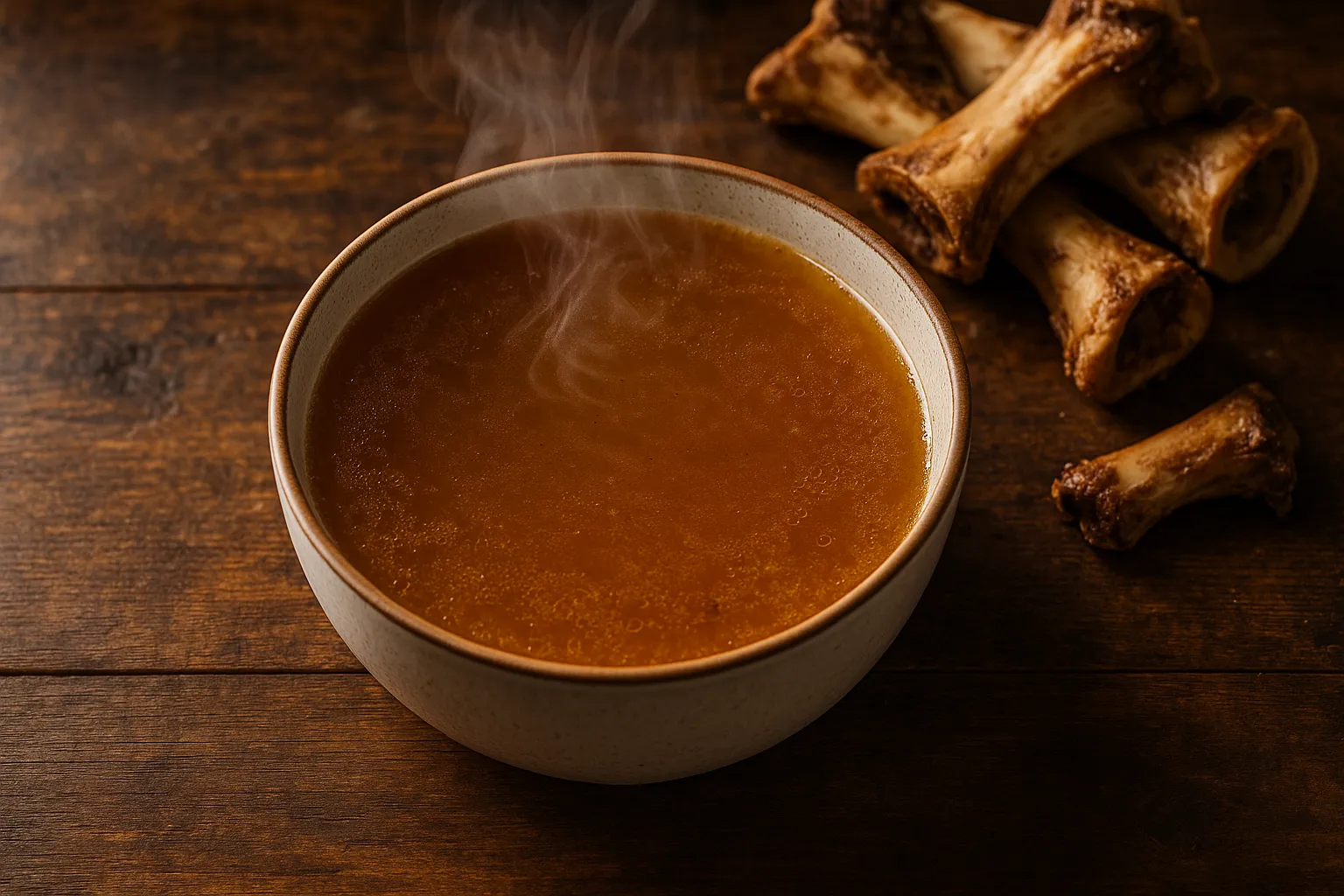
What you are about to read is more than a recipe.
It is one of the foundational foods that changed the trajectory of my health.
Let me start with why…I have spent 23 years inside the healthcare system as a Certified Registered Nurse Anesthetist (CRNA). I believed what most clinicians were taught. That nutrition mattered, but not enough to change disease outcomes.
Then I was diagnosed with Multiple Sclerosis at the age of 37. Married, homeschooling 4 children, and unable to work.
And when the symptoms started progressing, I followed the medical guidance I had been trained in. Medication was the option. When I inquired about diet and lifestyle – they were considered supportive but not going to change my trajectory & outcomes.
But something in me knew there had to be more to the story.
So I started rebuilding the terrain of my health from the ground up. Learning what “rebuilding the terrain of my health” actually meant and putting it into action is what gave me the confidence to forego the medication and dive 100% into making these changes for not just myself, but my entire family – all of whom were seemingly healthy. My husband & 4 children all had improvements in their health from things we did’t even realize was connected to how we eat & prepare food.
Real food. Nervous system regulation. Mindset transformation.
And one of the first foundational foods I learned to make was nourishing broth. Not because it was trendy, but because traditional cultures had relied on it for centuries as a healing food.
Over time, as I rebuilt my health, something extraordinary happened. Symptoms that were supposed to progress began to reverse. Function returned. Energy returned.
Today, I have more neurological function than I had before my diagnosis (and I thought I was a completely healthy individual prior to that MS diagnosis). The damage that once defined my future no longer does.
That journey taught me something I will never forget. Healing is possible when the terrain changes. And broth is one of the foods that helps rebuild that terrain.
The Chicken Broth Recipe (Start Here)
Before we talk about the science and the myths, let’s start where every healing kitchen should start.
The recipe.
Ingredients
- 1 whole pastured chicken and/or 2–3 lbs chicken bones/feet
- 2 carrots
- 2 celery stalks
- 1 onion (keep the skins on)
- 6 cloves garlic (keep the skins on but chop in half)
- 2 tablespoons apple cider vinegar
- 1–2 teaspoons mineral-rich salt (Celtic or Redmond)
- Herbs: parsley, thyme, bay leaf, rosemary, sage, all-spice (any or all)
- Filtered water
Instructions
- Place bones or chicken into a stock pot or slow cooker.
- Add vegetables and herbs.
- Add apple cider vinegar and allow to sit for 20 minutes.
- Cover with filtered water.
- Bring to a gentle simmer.
- Simmer:
- Whole chicken: 6 hours
- Bones: 12–24 hours
- Strain broth and store in glass jars.


Why Broth Became Foundational in My MS Recovery
When I started rebuilding my health, I focused on foods that could restore the body from the cellular level.
Broth became one of those foods. It wasn’t complicated, but it was foundational.
Slow-simmered broth extracts nutrients that support:
- connective tissue repair
- gut lining integrity
- immune function
- mineral balance
- recovery after illness
Traditional food cultures understood this long before modern nutrition science.
Broth was used to restore the body after illness, childbirth, and physical stress.
In other words, it was used to “rebuild the terrain.”
Why Nourishing Broth Matters for Cellular Health
Broth contains compounds that are often missing in modern diets:
- collagen
- gelatin
- glycine
- proline
- glutamine
- calcium
- magnesium
- phosphorus
These nutrients support tissues that modern diets often fail to nourish. And the supplements on the market make great promises but also fall short in truly and completely nourishing.
Skin. Joints. Gut lining. Connective tissue – these are the reasons broth appears across traditional food cultures around the world. Not as a trend, but rather as a foundational food.
For the Food Creators and Real Food Suppliers Reading This
Let me speak directly to you for a moment and thank you for what you do – because your work is a large part of my healing story & will continue to be for those searching for help & hope.
Food creators and regenerative producers play a powerful role in restoring health.
You are not simply sharing recipes.
You are reconnecting people to the purpose of food.
When you build dishes with nourishing broth, you are doing more than creating flavor.
You are:
- improving nutrient density
- supporting digestion
- restoring traditional cooking methods
- reconnecting people to whole food preparation
- changing generations of health
The story behind the food matters. When people understand the why, the food becomes even more powerful.
Myths and Misuses of Bone Broth
Even powerful foods can be misunderstood. Here are some common misconceptions.
Myth: Bone broth is a complete protein
It is not. Broth contains collagen proteins which lack certain essential amino acids. Traditional diets paired broth with:
- meat
- eggs
- dairy
- legumes
This creates balance.
Myth: Broth should replace meals
Broth is not a meal replacement. It is a digestive primer. Drinking broth before meals can help prepare the digestive system for nutrient absorption. Replacing meals repeatedly with broth can lead to imbalances over time.
Broth works best when used the way traditional cultures used it. Before meals. Think of broth as “preparing the terrain” for digestion.
The gelatin and amino acids help:
- stimulate digestive enzymes
- support stomach acid production
- protect the gut lining
- support bile flow
- improve nutrient absorption
Myth: More broth is always better
Balance matters. Collagen-heavy foods contain large amounts of glycine but low amounts of tryptophan. If consumed excessively without balanced proteins, this can influence neurotransmitter balance and sleep regulation.
Traditional food cultures always balanced broth with whole proteins.
Why Broth Is a Digestive Primer


Broth prepares digestion. Gelatin and amino acids help:
- stimulate digestive enzymes
- support stomach acid production
- protect the gut lining
- improve nutrient absorption
This is why many traditional cultures serve soups or broths before meals.
Ingredient Quality Matters
The quality of ingredients determines the nutritional value of the broth. Key considerations:
Bones
Pastured or grass-fed animals provide better nutrient profiles.
Water
Filtered water avoids concentrating unwanted contaminants.
Salt
Not all salt is created equal. Refined salt contains primarily sodium chloride. Highly refined salt is almost pure sodium chloride.
Choose mineral salts when making bone broth. They contain trace minerals that support fluid balance and electrolyte regulation. Using mineral-rich salts helps avoid excessive sodium concentration that can contribute to swelling or fluid imbalance in sensitive individuals.
Mineral salts contain trace minerals such as:
- magnesium
- potassium
- calcium
These minerals help maintain proper fluid balance in the body.
Excess sodium without mineral balance can contribute to:
- fluid retention
- swelling
- electrolyte imbalance
Research on sodium balance and fluid retention highlights how excessive sodium intake without mineral balance may increase fluid overload risk, especially in sensitive populations (NIH, cardiovascular nutrition literature).
Broth Benefits for Pregnancy, Nursing, and Postpartum


Across cultures, broth is often prioritized during pregnancy and postpartum recovery. Why? Because it provides:
- easily digestible nutrients
- hydration support
- skin and connective tissue repair
- minerals needed for recovery
- amino acids that support milk production
Many traditional postpartum diets center around broths and soups for exactly this reason.
What Broth Supports in the Body
When used appropriately, broth supports multiple systems.
Digestive system
- gut lining integrity
- improved nutrient absorption
- digestive enzyme stimulation
Musculoskeletal system
- joint health
- connective tissue repair & skin elasticity
- collagen support
Nervous system
- glycine supports calming pathways
- mineral balance supports nerve function
Immune system
- amino acids assist tissue repair
- minerals support immune signaling
Related Resources
Explore the deeper nutritional principles behind traditional broths:
Nourishing Broth by Sally Fallon Morell
https://amzn.to/46SJJ8r
Nourishing Fats by Sally Fallon Morell
https://amzn.to/4sMQKAh
Related Blog Articles
Chicken Broth – Part 2 (Importance of Feet)
Conclusion
Broth is simple.
But simple foods often carry the most profound impact.
For me, nourishing broth was one of the first foods that helped rebuild my health after MS.
It became part of a much larger framework.
REAL food. Nervous system restoration. Mindset transformation.
That combination changed everything.
And when we reconnect with foods that nourish the body at its foundation, we begin to see what is actually possible – not managing symptoms, but actually restoring systems.
If you are ready to rebuild your health from the foundation up, Book Your Deep Dive Call and let’s map your healing roadmap together.
Learn about the Moving Mountains Method:
https://karynfinneseth.com