
This Isn’t Random
Most people look at a plate and see dinner. I see direction.
If you’re walking through chronic symptoms or just feeling “blah”, the hard part isn’t cooking. It’s deciding what to cook – every day, all while trying to do everything “right” without a clear system.
Food as medicine for vitality or chronic disease isn’t about trends. It’s about understanding how food works inside the body and building meals that support physiology.
Not managing symptoms. Restoring systems. Let me show you what that actually looks like.
The Strategic Plate for Vitality or Chronic Disease


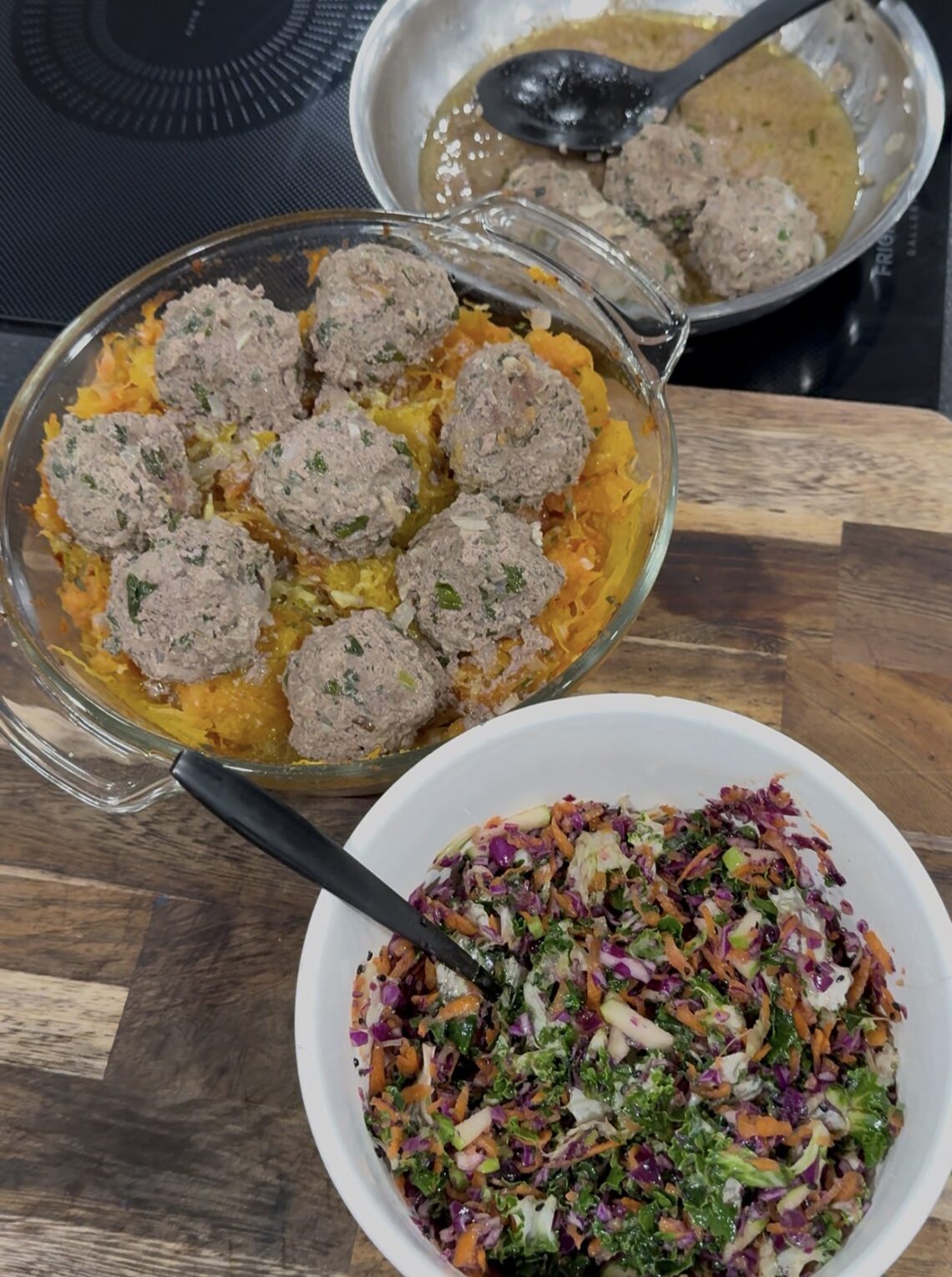
This plate included:
- 90% ground beef + 10% mixed organ meats
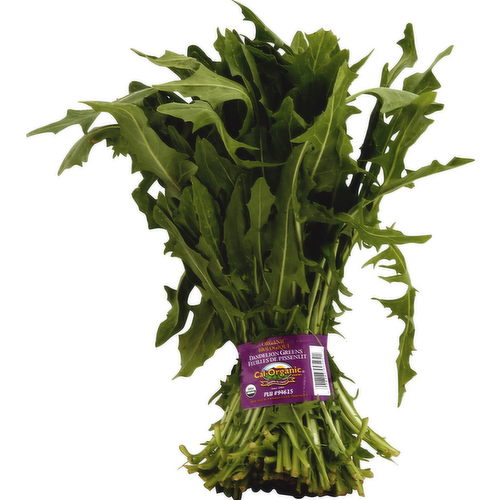
- Bitter greens (dandelion)
- Meat cooked in bone broth
- Vegetables structured into three categories
- Healthy fats for nutrient absorption
None of it was random.
Organ Meats: Nutrient Density Without Flavor Shift
Blending 10% organ meats into ground beef shifts the nutritional profile without shifting the flavor.
That small percentage meaningfully increases nutrient density.
- Liver provides concentrated B vitamins and iron.
- Heart contains CoQ10, involved in cellular energy production.
- Kidney and spleen contribute additional trace minerals.
CoQ10 functions inside the mitochondria as part of ATP production. It does not “give” you energy. It supports the cellular machinery that produces energy.
And here’s the practical part: organ meats used to be normal. Previous generations consumed the whole animal. We’re simply the generations that lost exposure.
This isn’t extreme. It’s ancestral.
Bitter Greens, Bile, and Seasonal Transitions
Bitter greens support bile production.
Bile supports fat digestion.
Bitter compounds stimulate taste receptors that influence digestive signaling. Bile is necessary for breaking down dietary fats and absorbing fat-soluble vitamins A, D, E, and K.
As we move toward spring, many people naturally incorporate lighter and more raw foods. Bitter greens help prime digestion for that transition – this is physiological.
Why Fat Changes Nutrient Absorption


Fat-soluble vitamins (ADE & K) require dietary fat for absorption. Without fat, nutrient absorption decreases. That olive oil on the salad is functional and not decorative.
When you remove fat (out of fear of getting fat), you limit the body’s ability to access what you’re eating.
Bone Broth and Digestive Support


Cooking meat in bone broth changes the matrix of the meal.
Bone broth contains gelatin and amino acids like glycine. Collagen-rich foods have been studied for supportive roles in gut lining integrity in experimental models.
For some people, slow cooking proteins in broth feels gentler on digestion compared to dry, high-heat cooking. This isn’t a miracle; rather, it’s a supportive tool.
A Simple 3-Category Vegetable Framework
This salad followed three categories I teach:
- Leafy green
- Brightly colored
- Sulfur-rich
That structure creates diversity and balance without overwhelm.
Most women aren’t inconsistent because they lack discipline. They’re inconsistent because they lack structure and the understanding that these categories have to be consumed together in order for whole body systems to work efficiently. A deficiency in just one category leads to the inefficiency of your whole body system being able to work efficiently.
Many people try to isolate one food in a specific category, often labeled a “superfood,” and then eat large amounts of that single item.
That approach can backfire.
Foods don’t work in isolation. They work in balance.
When one food is overemphasized without dietary diversity, you can create unintended consequences. For example, spinach is high in oxalates. In susceptible individuals, consistently consuming large amounts of high-oxalate foods without overall balance and variety may increase the risk of calcium oxalate kidney stones.
This isn’t a reason to avoid spinach.
It’s a reminder that diversity matters.
Leafy greens, brightly colored vegetables, and sulfur-rich vegetables each bring different compounds to the plate. When you build meals with balance instead of chasing a single “superfood,” you reduce the risk of overloading one pathway while neglecting another.
You don’t need more superfoods; you need repeatable systems that work in balance.
The Real Problem: Overwhelm
Most people feel overwhelmed trying to “eat healthy” – too many rules, too much noise, and way too much conflicting advice. That leads to frustration which then leads to guessing or quitting.
You don’t need more information. You need a framework. When meals are structured around physiology, decisions become simpler.
That’s the difference between eating “clean” and eating strategically.
FAQ
Are organ meats safe to eat regularly?
In small, structured amounts, they can be a nutrient-dense addition. Liver is high in vitamin A, so moderation matters. Blending 5–10% into ground meat is one practical approach.
What does CoQ10 do in the body?
CoQ10 plays a role in mitochondrial ATP production and acts as an antioxidant. It supports cellular energy processes.
Do bitter greens really support bile?
Bitter compounds stimulate digestive signaling, which can influence bile flow and fat digestion.
Why do I need fat with vegetables?
Vitamins A, D, E, and K are fat-soluble and require dietary fat for proper absorption.
Is bone broth necessary?
Not necessary. Supportive. It can be a helpful tool within a larger nutritional framework.
Conclusion: Not Extreme. Intentional.
This plate wasn’t random.
It was structured to support digestion, nutrient absorption, and cellular energy production.
For those in intense healing seasons, this approach supports rebuilding. For everyone else, it supports vitality and resilience.
Food as medicine for chronic disease isn’t about perfection; it’s about consistent, intentional inputs.
If you’re overwhelmed trying to piece this together meal by meal, you don’t need more recipes. You need a framework and the strategy to apply this to your busy life.
Ready to collapse time on your healing journey? Book your Deep Dive Call with Karyn.